
If solar is to gain the trust of homeowners, then it must be a dependable energy source.
Each month we measure the actual energy produced versus the estimated amounts we originally shared with our customers. We believe accurately measuring energy production is not a nice thing to do. It is a core responsibility for any ENERGY company.
We have been tracking our systems since day 1.
We got busy in the fourth quarter and did not publish our monthly production and run time results. We tracked performance but did not share it or publish it. That is not good. In fact, it is kind of lame. Moving forward, we will do better.
As for actual performance, let’s look month by month in the final quarter.
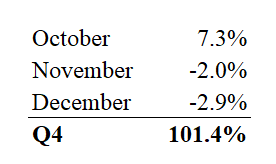
We had a big October with lots of systems showing great production. We also added a bunch of new systems into the mix. November and December were both soft. November weather is too long ago for us to remember. But we were definitely working in December, shoveling snow off roofs to put up the glass. December had numerous days with snow covered arrays so no surprise to see that the numbers were a bit soft. Even though the modeling software does take into account snow all winter long, snow sticking on to your modules for a couple of days will take down system production. This is especially true on flatter roofs where the snow is not moving off the glass quickly.
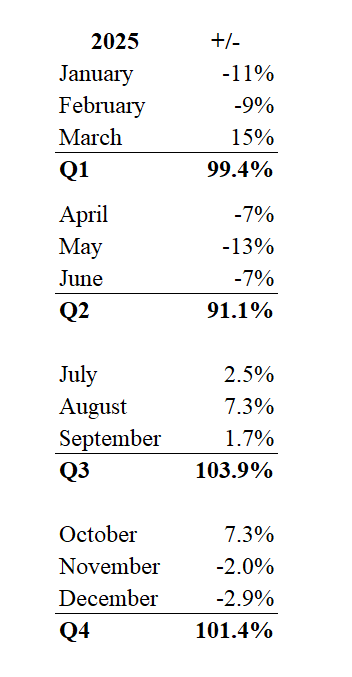
For the year, we were pretty happy about the overall numbers:

We finished pretty darn close to plan. Our biggest “misses” remain our earliest systems installed when we were clearly too optimistic about solar production. We began to add a bit more friction in our modeling software and it is showing up as newer systems are right on the money, with most performing above expectations. We would like to avoid the typical solar sales approach of over promising and under delivering.
For the record, we were below plan in 7 months out of 12.
Eventually we would like to offer some type of lease or lease to own model for our customers. Keeping records of monthly production is one way to reduce risk for both parties with solar. We also monitor the performance of different types of inverters, both micros and strings.
The other metric we measure monthly is run time. This simply measures whether any of our systems were not producing during the month. Run time year to date 2025 and lifetime are shown below:
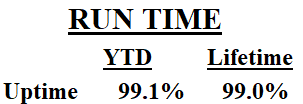
We had issues with a few micro inverters in Q4. While eventually all were replaced, it took a while for us to get them cleared. Even though only a single micro inverter might have been out, we count the whole system as being down until it is repaired. We had a perfect uptime record for the year going into the fourth quarter. Oh well, 2026 is an opportunity to get a little better.
Questions? Comments? Surprised? Let us know…